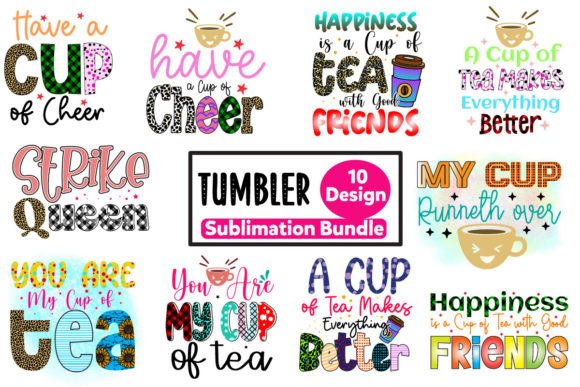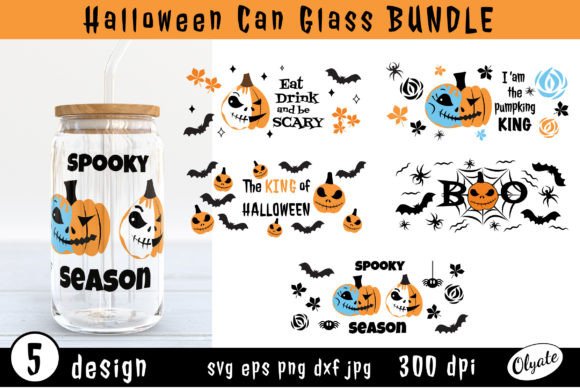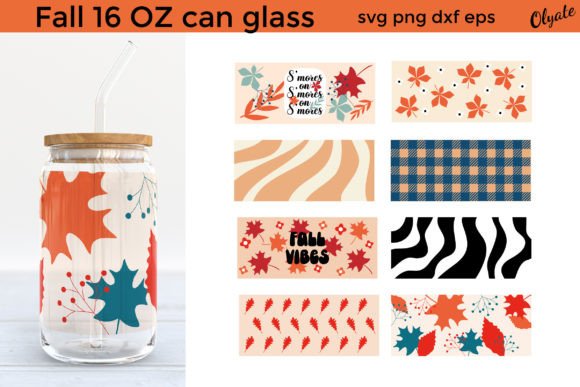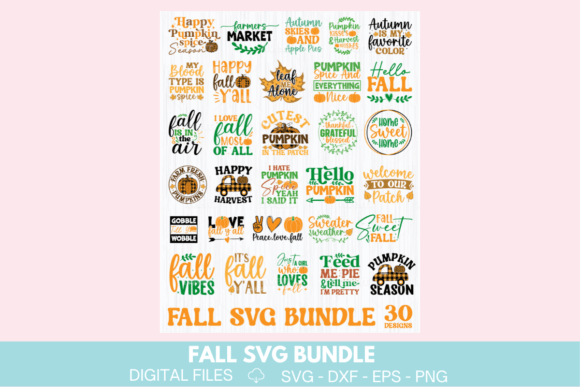
Fall Sublimation SVG Bundle
First Impressions: Warm, Whimsical—But Is It Embroider-Ready?
Opening the Fall Sublimation SVG Bundle, I felt that familiar seasonal lift—pumpkins, leaves, cozy mugs, and playful “hello fall” lettering. Thirty designs, all built for sublimation first, but as an embroidery designer who regularly converts digital graphics into stitched reality, my instinct was immediate: How will these hold up under needle and thread? The mood is friendly and festive—not overly rustic or hyper-minimalist—so it fits well with small-batch apparel, boutique kitchen goods, and personalized baby items. But mood alone doesn’t stitch cleanly. What matters more is shape integrity, edge clarity, and how much editing a design needs before it becomes a reliable machine embroidery design.
A Real Project Test: Embroidering a Linen Tote Bag for a Local Gift Shop
Last week, I pulled three motifs from the Fall Sublimation SVG Bundle—a simple maple leaf cluster, a “cozy season” script, and a minimalist pumpkin—to test on a medium-weight linen tote. Why linen? It’s unforgiving: shows skipped stitches, puckers easily, and highlights uneven fill density. The script motif needed significant cleanup—tight curves and thin strokes translated to fragile satin stitch runs that broke mid-stitch without proper stabilizer. The pumpkin held up beautifully at 3.5" wide, especially with a light tear-away + cutaway combo. The leaf cluster? Too dense in its original layout. I reduced fill stitch coverage by 15% and opened spacing between elements—suddenly, it breathed like handmade, not machine-heavy.
Where This Bundle Shines (and Where It Needs Help)
The Fall Sublimation SVG Bundle works best when treated as a *starting point*, not a finished embroidery file. Its strengths lie in clean outlines, generous negative space, and balanced proportions—ideal for tote bag design, sweatshirt embroidery, and apron accents. It also translates well into embroidered patch format when simplified to two or three core layers.
- Great for: Custom apparel on stable fabrics (cotton tees, fleece sweatshirts), kitchen towel monograms, holiday embroidery on napkins or pillow covers, and personalized gift tags for boutique orders.
- Use carefully on: Stretchy knits (like baby onesies), textured fleece, curved surfaces like caps, and dark fabric where fine details vanish without high-contrast thread colors.
- Avoid for: Tiny hoop sizes (<4"), ultra-thin fabrics (rayon challis), or projects needing frequent washing unless stitch density and underlay are adjusted first.
What Your Customers—and Your Machine—Will Notice
When customers see a finished product using a design from the Fall Sublimation SVG Bundle, they respond to warmth and recognizability—not technical specs. A well-executed maple leaf on a cream-colored tea towel reads as thoughtful, seasonal, and hand-crafted—even if it started as a digital file. But if the fill stitch overloads the fabric or tiny stems disappear into thread fuzz, that same item feels rushed or generic. That gap between “cute graphic” and “trusted handmade product” is where your judgment as a designer matters most. For Etsy sellers and small shop product lines, consistency builds repeat buyers. One off-kilter stitch on a $48 embroidered blanket undermines perceived value faster than you’d expect.
Practical Designer Notes Before You Stitch
You don’t need to reinvent the wheel—but you do need to adapt. Here’s what I check every time I bring a sublimation-based graphic like the Fall Sublimation SVG Bundle into embroidery workflow:
- Test on scrap fabric first—especially with your exact stabilizer and thread combo.
- Review stitch density: High-fill areas (like solid pumpkins) can overwhelm lightweight fabrics. Reduce density or switch to a lighter fill stitch pattern.
- Confirm hoop size compatibility: Some motifs scale well; others lose legibility below 3". Measure critical details—not just overall dimensions.
- Inspect small corners and tight curves: These often require manual digitizing tweaks or simplified paths for smooth satin stitch flow.
- Check contrast in black-and-white mockups: If it disappears on grayscale, it’ll struggle on dark fabric or low-thread-contrast applications.
- Use proper stabilizer: Medium-weight cutaway for structured items (totes, caps); lightweight tear-away for tea towels or baby items.
- Verify licensing: Since this is a Graphics product marketed for Crafts, confirm whether commercial use—including selling finished embroidered products—is permitted. When in doubt, contact the seller.
Final Thought: A Solid Foundation—If You Treat It Like One
The Fall Sublimation SVG Bundle isn’t a plug-and-play embroidery solution—but it’s a smart, seasonally relevant collection of design assets for creative entrepreneurs who understand the difference between “SVG-ready” and “stitch-ready.” It gives you strong visual DNA: autumnal, approachable, versatile. What it doesn’t give you is automatic optimization for thread tension, fabric drape, or customer expectations. That part is yours. Whether you’re prepping a batch of custom apparel for a craft fair, building digital embroidery file listings for your own shop, or creating commercial embroidery samples for a local café’s staff uniforms—the Fall Sublimation SVG Bundle earns its place in your toolkit when paired with intention, testing, and a little design empathy.